Blog
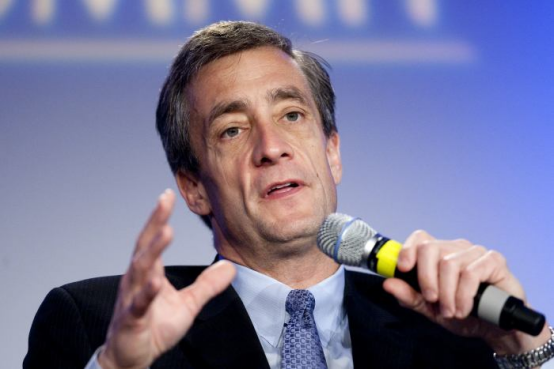
Unveiling David Steiner: What is the background and vision of the new U.S. Postmaster General?


The United States Postal Service (USPS) has a new leader. On August 10th, David Steiner officially succeeded Louis DeJoy as the 76th Postmaster General. For many who follow the postal service, this is more than just a change of helmsman; it’s like installing a new rudder on this century-old ship.
In the post-pandemic era, with the continued growth of e-commerce and the lingering shadow of financial pressure… Against this backdrop, how will Steiner lead the USPS through these turbulent times? His resume, skills, and the vision he has already announced have naturally become a hot topic of discussion.
1. From waste disposal to logistics giant: Steiner’s atypical resume
If you think the new director of the USPS must have worked his way up through the postal system, Steiner will change your mind.
He actually spent most of his career in the waste management industry—yes, Waste Management, the largest waste management company in North America.
During his tenure as CEO of Waste Management, Steiner led the company through breakthrough growth and modernization. He not only possessed a deep understanding of operating a vast and complex logistics network but also honed his agility in a highly regulated environment. More importantly, his financial restructuring skills were exceptional: he eliminated redundant expenses, introduced new technologies to improve efficiency, and steadily improved the company’s bottom line.
For the USPS, which has been suffering huge losses for years, such a skill package is indeed scarce.
His background in the private sector also means he may see things from a different perspective than traditional postal workers. Supporters believe this “outsider” perspective may be the key to the USPS’s ability to break free from bureaucratic inertia.
2. Taking office is a tough battle: continue, revise, or start over?
Steiner’s challenge list can almost be described as “the beginning is the final level.”
1. The fate of the “Delivering for America” plan.
DeJoy’s predecessor unveiled a ten-year reform blueprint centered around price increases, service cuts, and increased modernization investments to make the USPS self-sufficient. Supporters called it necessary, while critics called it radical. Steiner could either continue with the plan, adjust its direction, or even completely overhaul it—either path would be difficult.
2. Financial Black Hole:
Long-term liabilities like pensions and health benefits weigh heavily on the USPS. Coupled with rising operating costs, the USPS’s financial situation remains strained, even with revenue growth. How can this be resolved? Finding a balance without causing significant pain for ordinary users is essentially a two-pronged challenge.
3. Technological modernization:
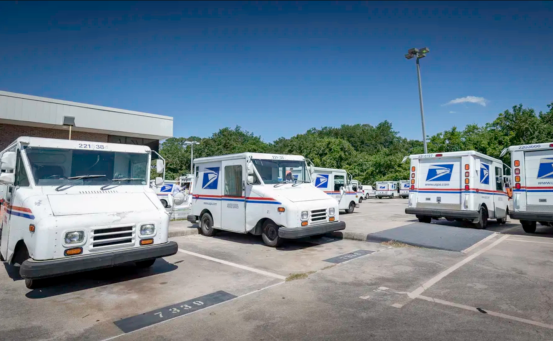
Aging fleets, automation of sorting centers, and the degree of digitization all require both money and project management expertise. If Steiner wants the USPS to keep pace with e-commerce, these investments must remain constant.
4. Employee and Union Relations:
Over the past few years, pressure and dissatisfaction among postal employees have been accumulating. To win back their trust, it is not only about salary and benefits; respect and communication are equally important.
3. Steiner’s Vision: Efficiency + Innovation + Service
Before officially taking office, Steiner revealed the direction through some public speeches.
mission
of providing reliable, affordable service to all Americans, whether you’re in downtown New York or a remote town in Alaska. Punctuality and stability were his key words.
He mentioned technology-driven automated sorting, package handling systems, data analysis, and artificial intelligence more than once. Clearly, he wanted to use technology to cope with the flood of packages brought by e-commerce and use data to make operations smarter.
for financial sustainability
His goal was to be self-sustaining, independent of external support.
cares about people
. He knows that the core of the USPS isn’t machines, but people. Improving employee training and improving the working environment are part of his vision.
Conclusion: Can we write a “turnaround story” for USPS?
Steiner’s arrival brought a new breath of fresh air to the USPS—the pragmatism of a private enterprise combined with a sense of responsibility for public service.
He faces multiple challenges: finances, technology, employees, and public trust. If he can strike a balance between efficiency and service, the USPS may truly usher in a new chapter. Otherwise, this transformation will become another controversial chapter in history.
Whatever the outcome, the new director, who came from waste management, now stands in the spotlight of postal history, and every step will be recorded.