Blog
Green Assets: In-depth Analysis of the Collectible Value and Investment Potential of the Endangered Forever Stamp

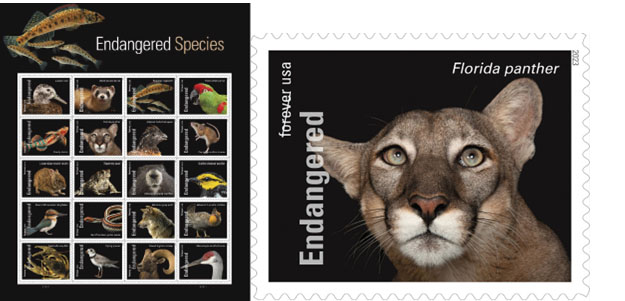
In the world of stamp collecting, there’s a misconception that “public welfare themes are worthless.” However, the Endangered Species series has shattered this prejudice with its market performance.
From the classic full-page animal family portrait in 1996 to the sensational “Tiger Supplementary Stamp” in 2011, and the Forever Stamp commemorating the 50th anniversary of the Act in 2023 , this theme has always been a hot topic for collectors worldwide.
I believe the endangered species series is not only a manifestation of environmental awareness, but also a unique “green asset class.” It combines artistic appeal, inflation-hedging properties, and the appreciation potential brought by scarcity.
1. From 32 cents to Forever: The Evolution of Endangered Species Stamps
To discuss investment, one must first understand history. The United States Postal Service (USPS) has three major milestones in its work on endangered species, representing three different collecting logics:
1996 Classic Edition (Face Value 32¢): This is a full sheet of stamps featuring 15 different animals. It was an introductory stamp for many stamp collectors born in the 1980s and 1990s. Although it was issued in huge quantities, the price of a full sheet in good condition (MNH) is steadily rising on the secondary market due to the increasing rarity of such sheets.
2011 “Save Extinct Species” donation ticket (Semipostal): This is the highlight of the investment. This stamp, featuring an Amur tiger cub, is priced above face value (the premium is donated). Due to its unique issuance nature and non-mandatory purchase mechanism, its actual surviving quantity is far lower than that of ordinary stamps.
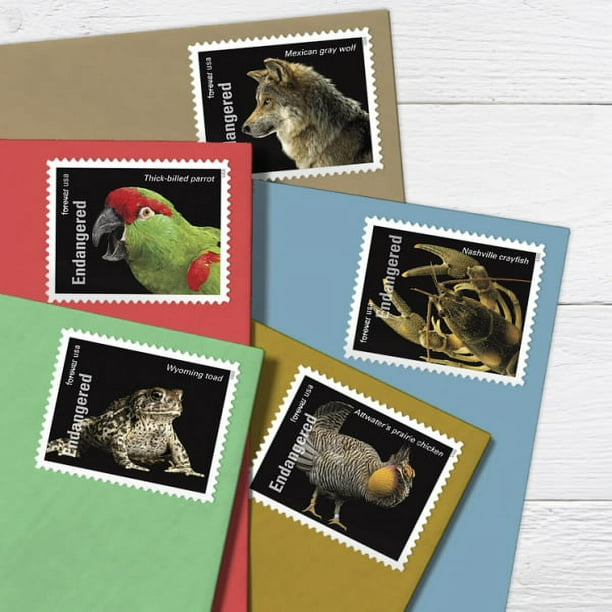
2023 50th Anniversary Edition (Forever): This set of Forever stamps , featuring 20 animal photographs , is currently the “mainstay.” Its investment logic lies in “inflation protection”—locking in future postage at today’s price.
2. Investing in Dark Horse Stocks: Why is “Tiger Stock” worth buying?
Among the many USPS stamps , I particularly recommend paying attention to the semipostal stamps , especially the famous “Tiger Stamp” (Amur Tiger Cub).
Investment Logic Analysis:
High purchase threshold: It is usually 10-15 cents more expensive than a regular Forever stamp . This natural barrier filters out a large number of ordinary users who only use it to send letters, resulting in a low consumption rate in circulation, but a high retention rate in the collector’s market.
Public interest premium: Many environmental organizations and high-end collectors hoard these stamps in bulk. This hoarding behavior locks up market liquidity and provides support for long-term appreciation.
Design Aesthetics: The animal cub motif has universal appeal, meaning it has secondary market demand globally (not just in the US).
3. Core Values: Scarcity, Theme, and Forever Attribute
Why am I optimistic about the long-term potential of the endangered species series?
The enduring popularity of themes: In the philatelic world, “animal themes” are always among the top three categories in demand. Regardless of economic fluctuations, there are always people collecting stamps featuring tigers, elephants, or pandas. This inelastic demand acts as a price moat.
The inflation-hedging property of Forever Stamps: Your base holdings are safe for new stamps issued in 2023. As USPS postage rates continue to rise (reaching 73 cents in 2024), the intrinsic value of your Forever Stamps passively increases. This is a low-risk physical asset allocation.
The artistry of the design: In recent years, USPS has collaborated with top institutions such as National Geographic, achieving gallery-quality printing on its stamps. The exquisite design itself is a testament to its value.
4. Trading Guide: How to Build Your “Miniature Zoo”
If you would like to use endangered species stamps as a small investment, please follow these expert recommendations:
Buy only full sheets: Remember, the premium for a single stamp is extremely low. Full sheets are the true hard currency in the collecting world. Maintaining intact edges, no creases, and good gum quality (mint never hinged) are key.
Pay attention to first-day covers (FDC): First-day covers with pictorial postmarks featuring related animal designs often have greater appreciation potential than the stamps themselves. This is especially true for limited-edition official commemorative covers.
Keep away from light and moisture: This is a well-worn but crucial point. Animal stamps are usually brightly colored, and once they fade, their value becomes zero. Please use professional mail bags and moisture-proof boxes.
View more permanent stamp designs
5. Frequently Asked Questions (FAQ)
Q1: Does the Forever Stamp for Endangered Species expire? A: Never. The Forever Stamp was designed to combat inflation. It will remain valid no matter how much postage increases in the future.
Q2: Which year’s endangered species stamps are the most valuable? A: Currently, some early, limited-issue stamps with surcharges (such as the 2011 Tiger stamp) are performing well in the secondary market. A complete sheet from 1996 in perfect condition also fetches a good premium.
Q3: I’m a beginner, where should I start buying? A: I recommend purchasing the latest full sheet of Forever Stamps from the USPS website (buy at face value, no risk). For older stamps, please find a reputable stamp dealer or a seller certified by the APS (American Philatelic Society).
in conclusion
Collecting endangered species USPS stamps is an investment in time and ecology.
You are not only investing in an appreciating asset class, but also in humanity’s shared memory of nature conservation. As certain species become increasingly rare in reality, these small images in your collection will become the most precious green archives left for future generations.