Blog
A Philatelist’s Personal Memories: My 9/11 and Collecting Story

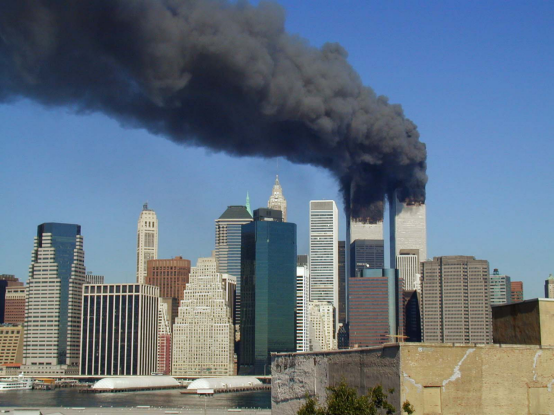
A few days ago, I received a letter from an avid philatelist. He wrote about his personal experience with the 9/11 commemorative stamps. Honestly, when I read his words, a complex feeling welled up within me—a weighty sense of history, yet also a subtle, personal warmth. It reminded me of myself. As an author, I too have my own “collection”: not stamps, but the stacks of interview recordings, yellowed old photos, and annotated newspaper clippings stacked on my computer. They lie quietly on my hard drive, like silent stamps, helping me freeze moments in time, ready to be opened at any time and revisited.
Contributor’s first contact
He said the first 9/11 stamp he bought was the “United We Stand” stamp a few weeks after the attacks. For him, it wasn’t just a collection; it felt like participating in a national outpouring of emotion. He even affixed the stamps to envelopes and mailed them to distant friends. Each letter felt like a silent commemoration.
I understand that feeling. Instead of buying stamps, I wrote a short essay. It captured my shock at the news and the eerie silence that fell on the streets of New York a few days later. I also mailed the essay to my friends, much like he had affixed the stamps to the envelopes. In essence, we were all trying, in our own ways, to tell each other: We’re still here, we haven’t separated, and that feeling of “being together” persists.
The meaning of collection
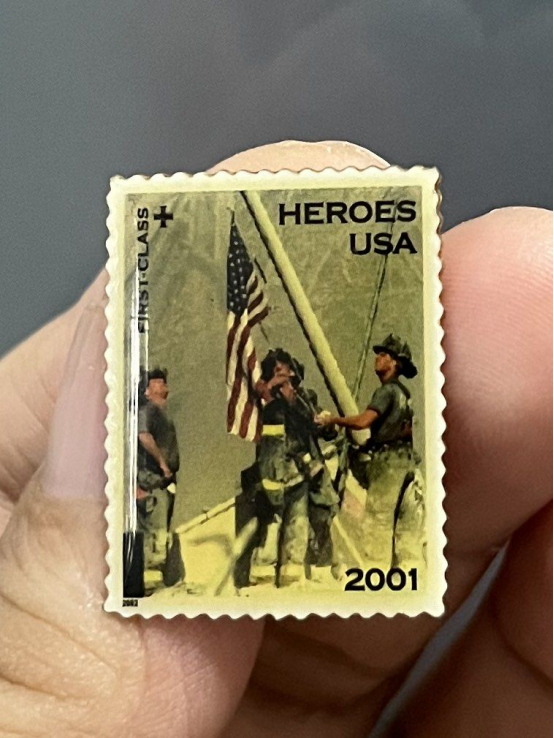
He then discussed his experience collecting the “Heroes of 2001” half stamp. Every time he looks at the image of three firefighters raising the flag amidst the ruins, he feels a complex blend of courage and sadness. He feels that every line and every color on the stamp epitomizes the social sentiment of the time.
I couldn’t help but agree. For me, my “stamps” are actually the people and stories in those reports. I remember one article about a volunteer who worked in the ruins for days straight, his voice hoarse, yet he persevered. Years later, when I reread that article, I’m still moved by his stubbornness and kindness. Those reports, like his little stamps, not only record the events but also express my respect for that era.
Memories beyond stamps
He said that every time he sorted through the stamps, he would flip through the news, interviews, and photos from that time. The stamps helped him find a portal, bringing that period of history back to his mind. To him, they were not just scraps of paper, but a miniature history book.
This reminds me of my writing habits. I can’t help but revisit those news clips from that era and listen to the survivors’ voices. For me, the writing process is essentially the same as his stamp collecting: we’re both searching for a specific “object” to transport us back to that moment in time and reconnect with those inexpressible emotions.
Communication with others
He also mentioned the exchanges within the philatelic community. Some collected first-day covers, while others focused on the significance of donations behind half-stamps. Everyone shared their own stories, yet through the exchange, they found a resonance of collective memory.
I can relate. In my community of writers, some are rekindled by a reader’s message, while others are overwhelmed with pride when their work is cited. At that moment, I suddenly realized—writing isn’t isolated; it’s like an invisible thread connecting me to my readers and other authors, just like stamps connect collectors.
Conclusion
This submission has made me rediscover the power of stamps. They carry not only history but also personal emotions and social memories. Through these small works of art, people can express respect, remember, and connect in their own way.
I’m grateful to this stamp collector for sharing his experiences. His stamps, like my words, are a way to resist forgetting. They remind us that as long as we pay attention, those moments worth remembering will never fade away.