Blog
The Pros and Cons of Forever Stamps vs. Fixed-Value Stamps: USPS Explains


Forever stamps and traditional fixed-denomination stamps (such as 37ϕ and 49ϕ) each have their own advantages. As the two main types of stamps issued by the United States Postal Service (USPS), understanding their differences is key to efficient mail delivery. This article compares the pros and cons of each for daily mail delivery, coping with postage rate fluctuations, and collector value, drawing on official USPS information, postal announcements, and industry resources. It also provides replicable, three-step practical advice.
What are Forever stamps and fixed-value stamps?
Forever stamps
Definition : A non-denominated stamp issued since 2007, marked “Forever”.
Core Value : Regardless of future postage increases, one Forever stamp covers the cost of a one-ounce First-Class letter. This simplifies the need for users to purchase supplementary stamps due to postage increases.
Fixed denomination stamps
Definition : A traditional postage stamp with a specific numerical denomination (e.g. 37ϕ, 49ϕ).
Core Features : Users need to combine different denominations to make up the postage. When postage rates change, the denomination may not match the current rate and an additional payment will be required.
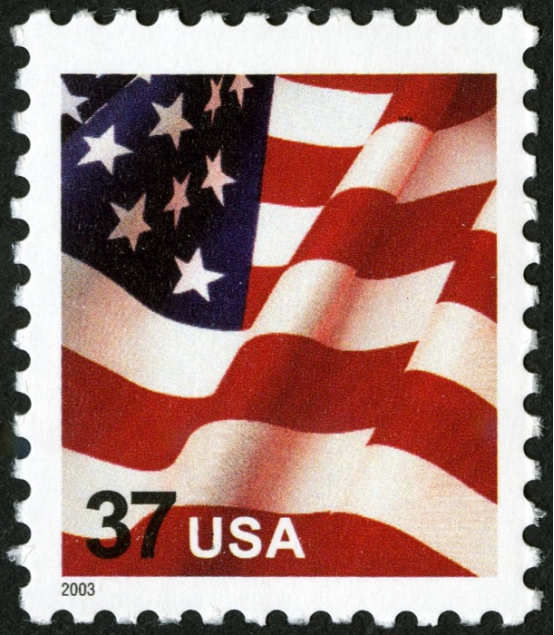
Comparison of advantages and disadvantages – three dimensions
| Dimensions | Forever stamps | Fixed-value stamps (specific denominations) | in conclusion |
| Convenience (Everyday use) | Advantages: No need to worry about postage adjustments after purchase, mailing is fast. One coin can send a one-ounce letter. | Disadvantage: When postage increases, additional calculations and postage stamps must be made. | Forever wins hands down: It saves time and effort for daily shipments. |
| Flexibility (Exact postage) | Disadvantages: When mailing 1.5 oz or special rate letters, multiple Forever notes may be “overpaid.” | Advantages: Combining multiple denominations (1ϕ, 5ϕ, 10ϕ) allows for precise postage for odd-shaped, international, or overweight notes. | Fixed denomination is better: suitable for accurate postage calculation. |
| Collection/Investment Perspective | Collectibility: Special edition or artistically designed Forever stamps have philatelic value. | Collectibility: Early rare denominations, discontinued stamps or stamps with fixed denominations from specific years have greater historical and collectible value. | Each has its own focus: Forever focuses on design, while fixed-denomination coins focus on historical rarity. |
Collector’s Note: Unless it’s an extremely rare, misprinted, or early stamp, using stamps as a speculative investment is unwise. The value of a stamp is primarily determined by its circulation, the popularity of the subject, and its condition.
How to choose: 3 practical steps
For everyday mailing : Use Forever stamps first.
For one-ounce domestic First-Class letters (bills, greeting cards, etc.), purchase official Forever stamps to avoid postage increases.
Special/Unusual Postage : Always have a small supply of fixed-denomination stamps.
For 1.5 oz letters, international mail, or when you need to accurately calculate postage, it’s helpful to have several low-value stamps (1ϕ, 5ϕ, 10ϕ) on hand to avoid waste.
Collector Management : Pay attention to editions and preservation methods.
Collectors should pay attention to booklets, first-day covers, and press sheets. Follow the Smithsonian National Postal Museum’s recommendations for storing stamps and their original packaging using acid-free materials.
in conclusion
Conclusion : For most everyday users, Forever stamps dominate for their convenience and resistance to price increases; fixed-value stamps remain indispensable for precisely rounding up special rates or collections.
Recommendation : Use Forever stamps as your daily mainstay, and a small number of low-value fixed-value stamps as supplementary and flexible tools; collectors should pay extra attention to edition, design, and preservation conditions.